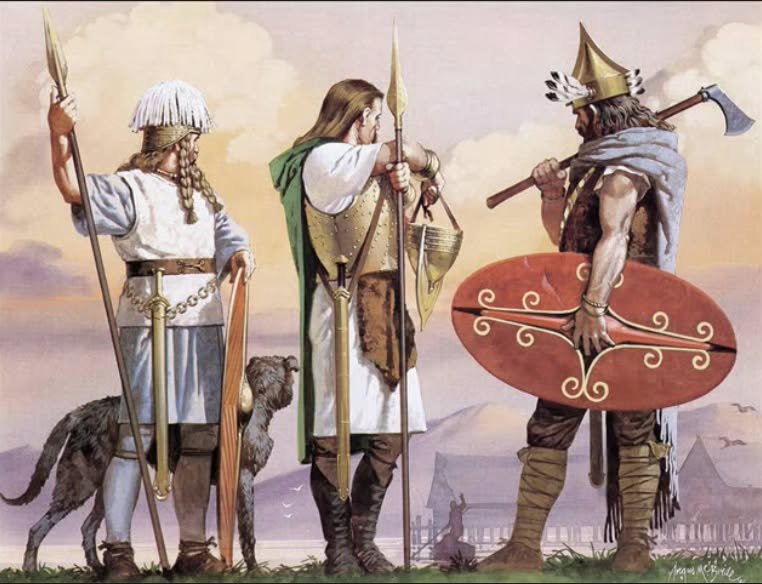
The chief
An Taoiseach (on TEE-shəkh)
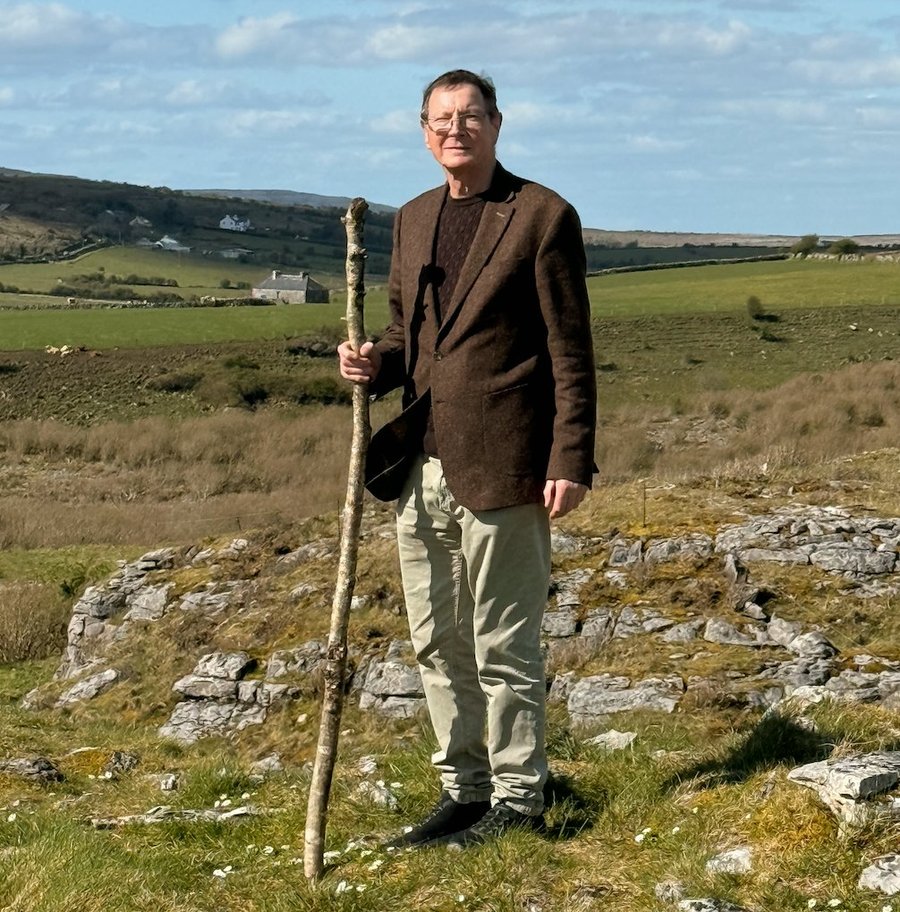
Fergus Commane Kinfauns
Chief of Ó Comáin · Newhall House, Co. Clare
Fergus serves as Chief for life. Consecrated by derbhfine under Brehon law as the Taoiseach successor. The Chief leads the clan, holds its seat at Newhall House, County Clare, and is custodian of Killone Abbey and the Holy Well of St John the Baptist. He is the ultimate authority in clan affairs and signatory of all formal clan instruments.
Clan tanist
An Tánaiste (on TAW-nish-tə)

Antóin Ó Comáin
Tanist · Deputy · Newhall House, Co. Clare
The Chief's son serves as heir designate under the Brehon tradition of tanistry — not primogeniture. This does not guarantee succession. When the Chief dies, it is the clan members who will select the next Chief. Antóin's abilities, character and lifetime contributions to the clan will weigh heavily in that decision, but the choice rests with the assembled clan, not with any individual. Antóin represents the clan at official functions, including the 2026 Clans of Ireland gathering in Dublin, and advises the Chief and deputises in his absence.
The Viceroy
An Rí-Ionadaí (on REE IN-ə-dee)
— Nominations invited —
Elected by clan members
The Viceroy serves as Chief Executive of the clan — the operational leader and advisor to the Chief and Tánaiste. Uniquely among council positions, the Viceroy is nominated and elected by clan members, reflecting the Brehon principle that leadership must command the confidence of the assembled clan.
Chancellor
Seansailéir (SHAN-sə-layr)
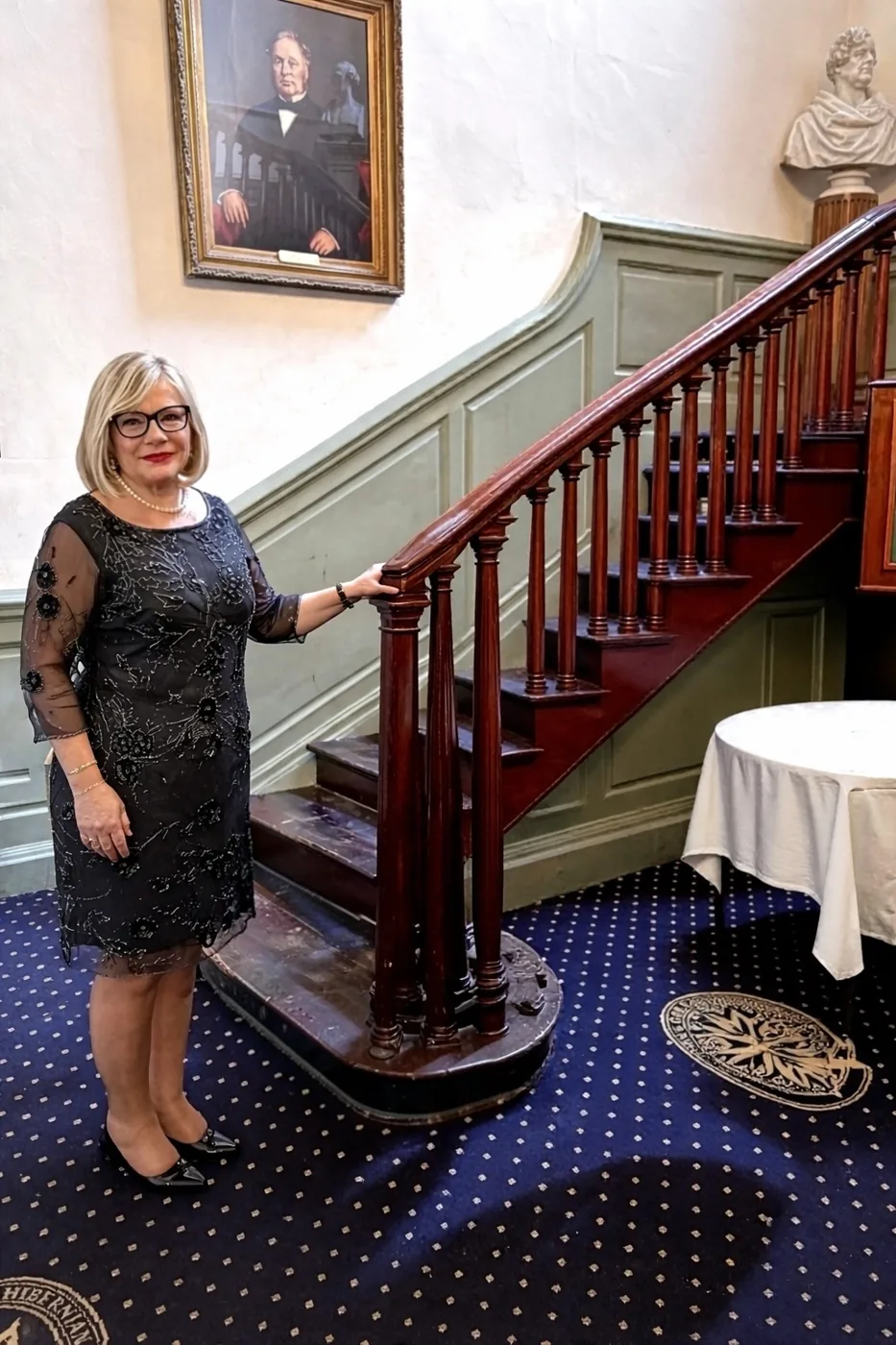
Maria Kinfauns
Chancellor · Newhall House, Co. Clare
The Chancellor leads the Privy Council and is the senior office of the Chief's household — convening the Council's sessions, keeping its records, and coordinating the Council members and household officers worldwide. The Chancellor manages the people: the working life of the clan as an organisation, the briefing of officers, the rhythm of its meetings, the institutional memory that holds it together across the year. Where the Private Secretary serves the Chief in person, the Chancellor serves the clan as an institution. The role is held by Maria Kinfauns.
Private Secretary to the Chief
Rúnaí Príobháideach an Taoisigh
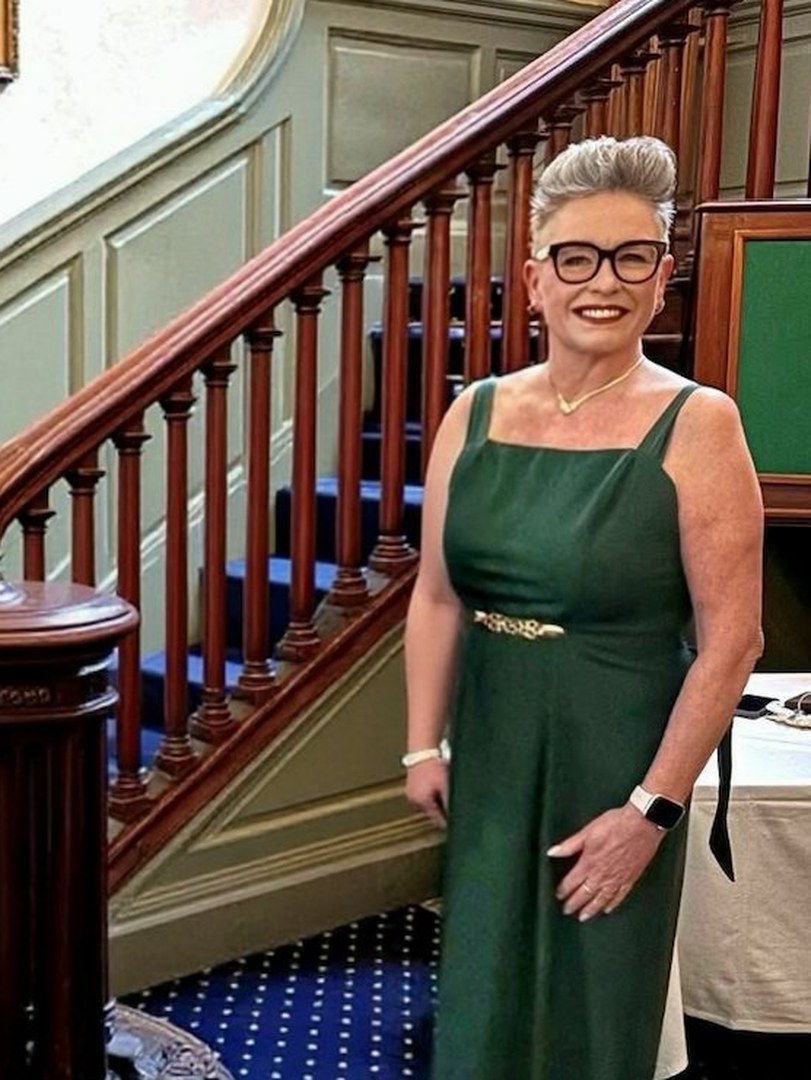
Linda Commane Cryan
Private Secretary to the Chief
Among the senior offices of the Chief's household — ranking immediately after the Chancellor — the Private Secretary to The Commane is the principal channel between the Chief and the wider world. The office drafts formal correspondence on behalf of the Chief, oversees the Register of Members, manages the diary of clan engagements, and serves as the formal point of contact for all matters addressed to the Chief. As in any noble household, direct access to the Chief is reserved — the Private Secretary's office is the door through which it is sought.
Representer of the Elders
Ionadaí na Sinsear (ən-ə-DEE na SHIN-shər)
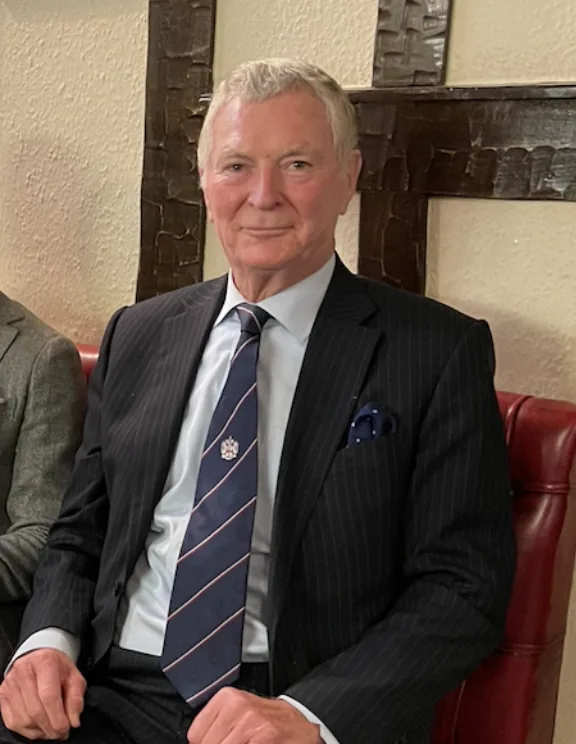
Jim Commane
Representer of the Elders
Under Brehon law the Chief never ruled alone, but in council with the senior generation of the derbhfine — those whose years had earned them a place at counsel. The Representer of the Elders carries that voice into the Privy Council today: speaking for the older members of the clan, holding the living memory of family and place, and offering the long view. The role is held by Jim Commane, long a figure in the Irish life of London, where he served as Treasurer of the London Irish Festival and remains a life member of the Clare Association. Admitted to the Freedom of the City of London, he brings to the Council a lifetime's standing.
Keeper of the seat
Coimeádaí na Suíochán (KIM-aw-dee na SEE-ə-kawn)
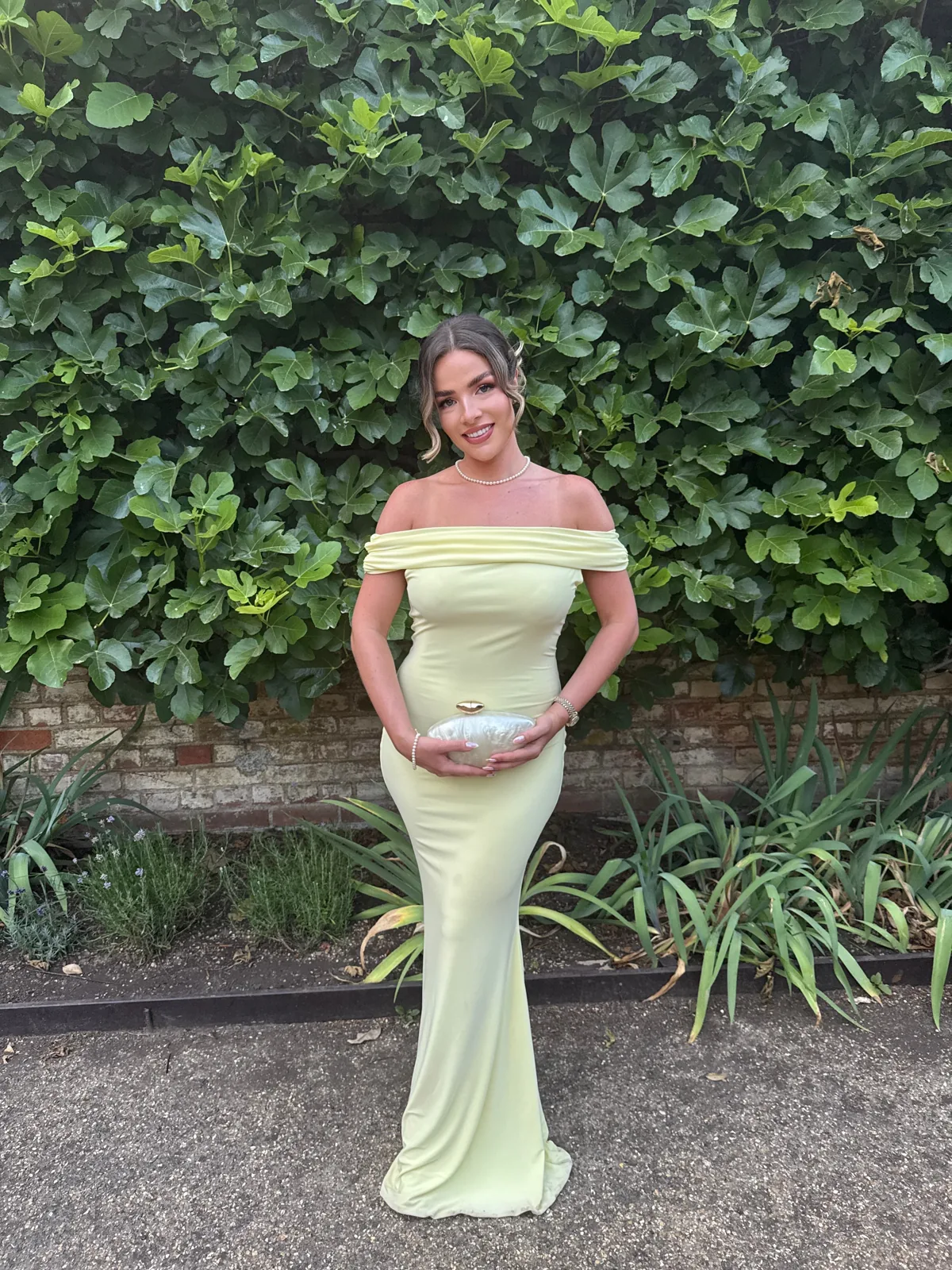
Jessica-Lily Commane
Keeper of the Seat
The Keeper of the Seat oversees the clan's gatherings, heritage events, revival festivals, and historical tours worldwide — acting as host and steward to clan members, visitors, and descendants who seek to reconnect with their Gaelic heritage. Beyond coordinating events, the role involves preserving the atmosphere and dignity of the clan seat itself — safeguarding traditions, encouraging historical awareness, and fostering a sense of belonging.
Marshall & Standard Bearer
Maraschall (MAR-ə-shul)
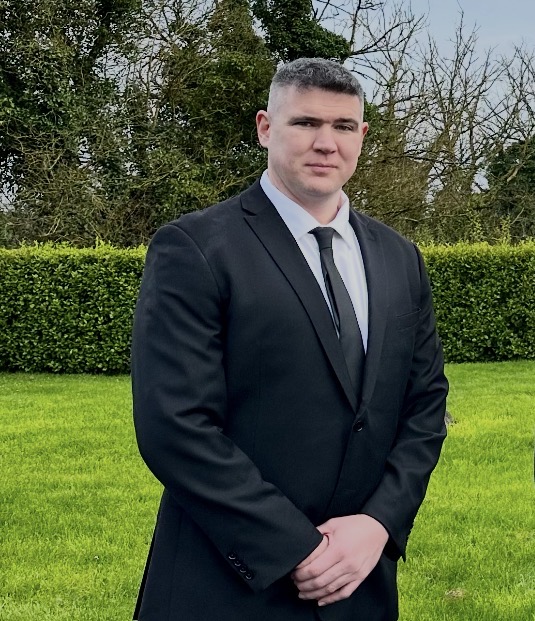
Michael Commane
Marshall & Standard Bearer · Cape Cod, USA
The chief's personal guard and protector of the clan and their seat of authority. Represents the clan at events by carrying our banner and ceremonial sword. Michael Commane serves the clan from Cape Cod, Massachusetts, carrying the standard of Clan Ó Comáin in the United States.
Seanchaí (SHAN-ə-khee)
Historian & Storyteller
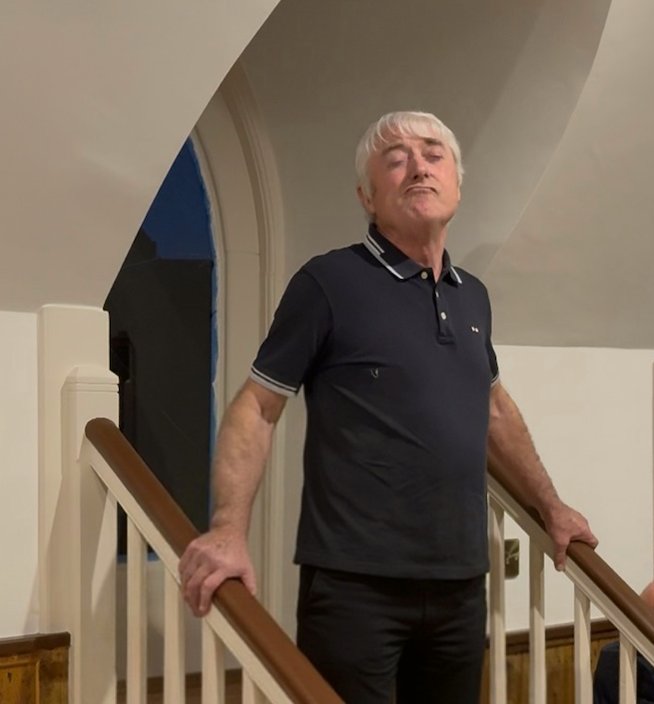
Paddy Commane
Seanchaí · Historian & Storyteller · of Ballymacooda
In the Gaelic tradition, the Seanchaí was the keeper of memory — preserving and recalling stories, laws and traditions through the spoken word. Paddy Commane, of Ballymacooda carries this ancient office, performing at ceremonies and gatherings and ensuring the living history of the clan is never lost.
Ollamh (OL-əv)
Master Physician · Clan Health Advisor · Body
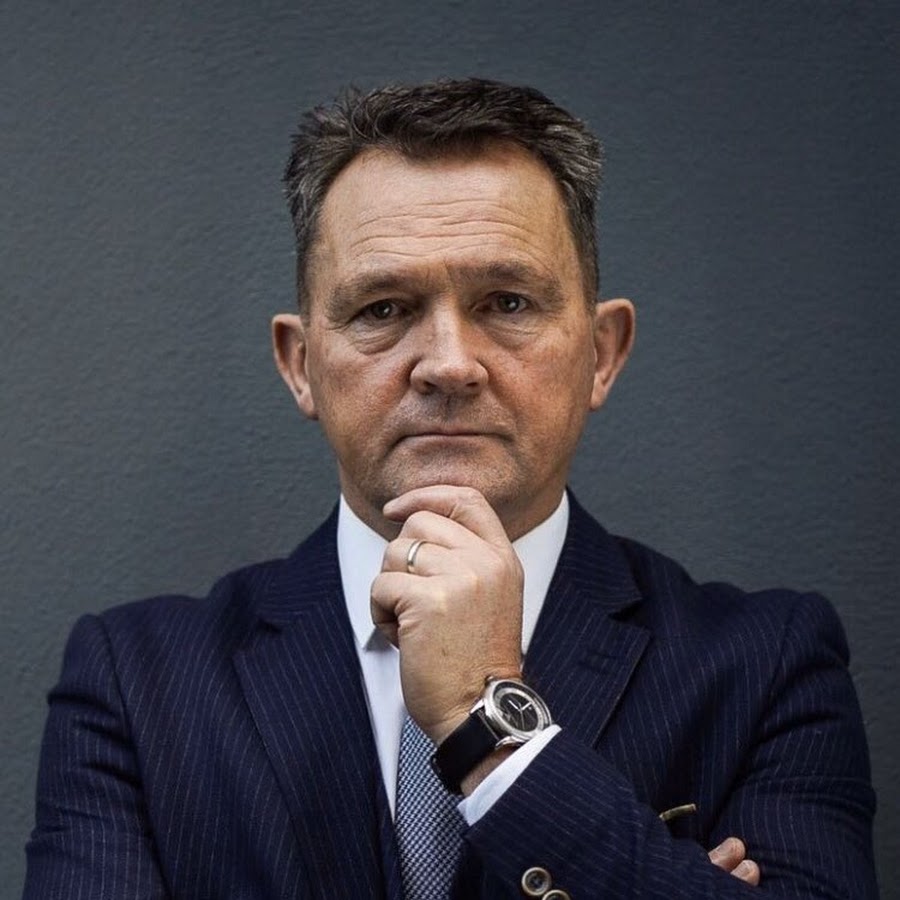
Michael O Doherty
Ollamh · Clan Health Advisor
In the medieval Gaelic clan, the ollamh was one of the seven great learned offices — the chief's hereditary physician, drawn from scholarly families such as the Ó hÍceadha of Thomond, whose standing rested on long study of herbal, dietary, and contemplative traditions. Held by Michael O Doherty — Doonbeg native, bestselling author, and bio-energy practitioner of nearly thirty years from his Ennis clinic, who trains healthcare practitioners internationally — the office offers members a trusted voice on general health and preventive wellbeing, and a steady pointer toward the appropriate professional care when it is needed. The role is not a substitute for a doctor, and no diagnosis or treatment is provided through it — it is a relationship of counsel that honours the ancient place of the physician within the clan.
Gaelic Officer
Oifigeach Gaeilge (EFF-i-gəkh GAY-lig-ə)
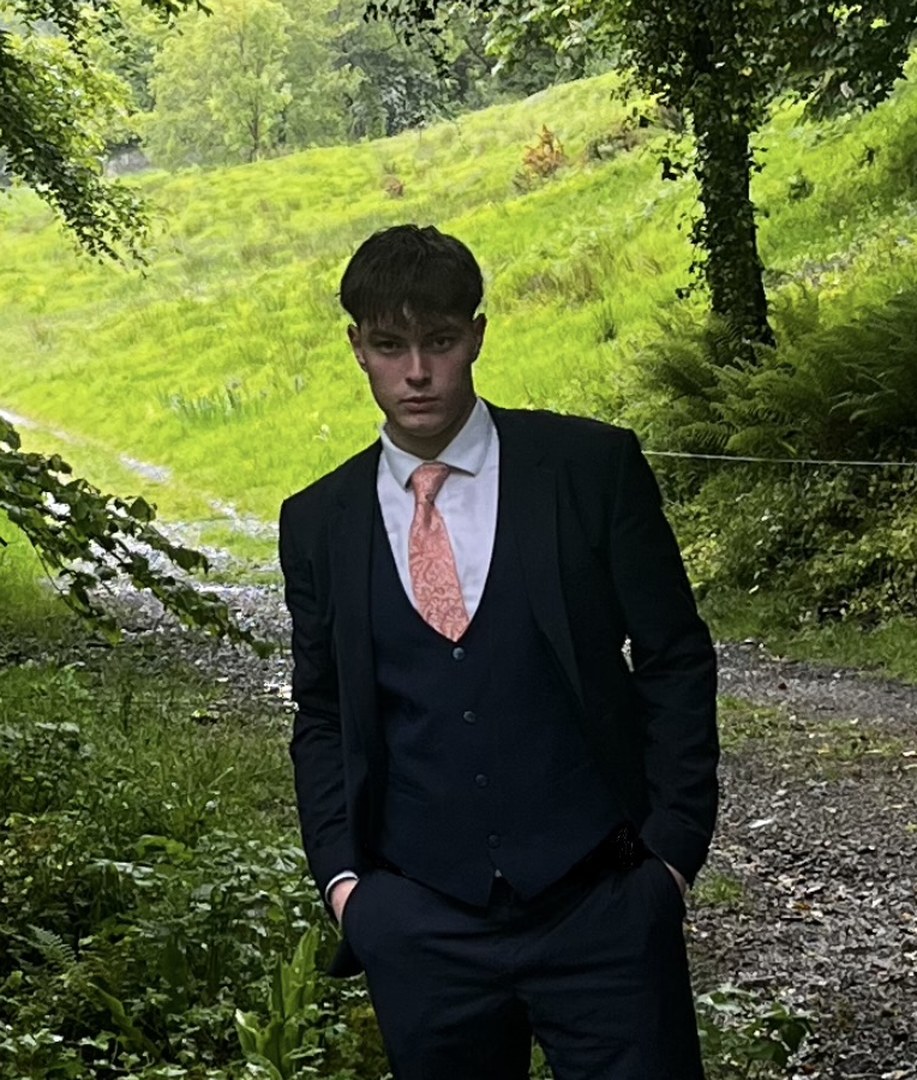
Oisín Ó Ruairc
Gaelic Officer · Master of Ceremonies
The Gaelic Officer serves as the clan's advisor on Gaelic traditions and the Irish language. A speaker at events and Master of Ceremonies, the Gaelic Officer ensures that the ancient tongue and customs of the Ó Comáin are honoured at all formal clan occasions. Oisín himself was educated entirely through Irish, attending a Gaelscoil where every subject — not only language and literature — was taught in the native tongue.
Clan chaplain
Séiplíneach an Chlan (SHAYP-lee-nəkh on khlawn) · Spirit
— Role open to the right person —
Applications welcomed
In the Gaelic tradition, the chief's household included a chaplain providing spiritual counsel and officiating at clan ceremonies. The clan's spiritual patrons — Saint Commán of Roscommon and the Holy Well of St John the Baptist at Newhall — make this a particularly resonant appointment for Clan Ó Comáin.
Anam Cara (AN-um KAR-ə)
Soul Friend · Clan Counsellor · Mind
— Role open to the right person —
A pastoral vocation · Applications welcomed
In the oldest Irish tradition, the anam cara — literally "soul friend" — was the trusted companion with whom one could share the deepest troubles of the heart, and be met with wisdom, discretion, and steady care. The Anam Cara to Clan Ó Comáin offers a confidential, listening presence to members navigating grief, loss, isolation, questions of identity, or the quiet weight of being far from home. The role is pastoral, not clinical — it complements rather than replaces professional mental-health care, and the office will always direct members to qualified support where it is needed. We seek someone with training in counselling, pastoral care, or psychotherapy, and a genuine feel for the Celtic tradition this office revives.
Clan Píobaire (Clan PEE-bə-rə)
Piper of the Chief · Clan Piper
— Role open to the right person —
Uilleann pipers — the Irish pipes
In the old Gaelic household, the píobaire an taoisigh — the piper of the chief — held a place of standing. The piper sounded the chief's processions, marked the gatherings and the mournings, and carried the music of the clan into every formal occasion. The instrument of an Irish royal house is the uilleann pipes — píobaí uilleann, "elbow pipes" — the indigenous Irish bellows-blown bagpipe, played seated, with a sweeter and more chromatic voice than the Scottish Highland pipes. The uilleann pipes are the national pipes of Ireland and the proper instrument of a Gaelic clan: Highland pipes belong to a different tradition, however close the kinship. The Clan Piper of Ó Comáin would play at the Guardian's Dinner and at clan gatherings, lead processions where appropriate, and carry the older airs and laments that have always belonged to the chief's house. We seek a competent uilleann piper — a player rather than an enthusiast — who would offer their music to the clan on the small number of occasions each year that warrant it.
Craoibhscríobhaí (kreev-SKREE-vee)
Genealogist · Keeper of the Branches · Bloodline
— Role open to the right person —
Genealogists & family historians welcomed
In the old Gaelic polity, the craoibhscríobhaí — literally "branch-writer" — was the scribe who kept the clan's pedigree: the written record of descent traced through the generations back to the common ancestor. A chiefdom rested on its documented lineage, and the office was held in high esteem. The Craoibhscríobhaí of Clan Ó Comáin continues this ancient work with modern tools: maintaining and extending the clan pedigree, assisting members researching their family trees, coordinating Y-DNA testing (including Big-Y 700) through the clan's surname project at FamilyTreeDNA, and interpreting results within the R-L21 / Irish Type III context that anchors the male-line Ó Comáin inheritance. Members seeking to establish or explore their connection to the clan bloodline are welcomed to correspond with this office. We seek a genealogist or serious family-history researcher — familiarity with Y-DNA tools and Irish records (Civil Registration, Tithe Applotment, Griffith's Valuation, church registers) is desirable.
Chronicler of Legends
Creative Director
— Position open —
Applications invited
The Chronicler of Legends crafts and shares the clan's stories — developing characters and storylines from the clan's history, creating AI-driven films and media around these characters to be shared on social media, and contributing to written works that inspire people to join and engage with Clan Ó Comáin.
Clan herald
Arailt an Chlan (AR-əlt on khlawn)
— Position open —
Applications invited
The Clan Herald is responsible for heraldic matters — the proper use and display of the clan's arms, managing applications from members wishing to use the crest, and liaison with the Office of the Chief Herald of Ireland. A knowledge of Irish heraldry is desirable.
Clan ambassador
Ambasadóir an Chlan (AM-bə-sə-DOOR on khlawn)
— Positions open —
Diaspora · Multiple appointments
Clan Ambassadors represent Clan Ó Comáin in specific countries or regions of the diaspora — particularly Irish-American communities in the United States. Ambassadors promote the clan, welcome new members, organise local gatherings, and serve as the Chief's representative in their territory.
Heritage Archivist Officer
Oifigeach Cartlainne Oidhreachta
— Position open —
Applications invited
Develops cultural programs and promotes Irish traditions. Preserves documents, photographs, and clan memorabilia — maintaining the physical and digital archive that records the living history of Clan Ó Comáin for future generations.
Diaspora Liaison
Idirchaidreamh Diaspóra
— Position open —
Applications invited
Connects members across the world and builds international links — fostering a sense of belonging among the scattered branches of the clan members from Ireland to America, Australia and beyond.
Public Relations Officer
Oifigeach Caidrimh Phoiblí
— Position open —
Applications invited
Manages communications on behalf of the clan, including social media and newsletters — shaping the public voice of Clan Ó Comáin and ensuring the clan's story reaches the widest possible audience.
Membership Officer
Oifigeach Ballraíochta
— Position open —
Applications invited
Welcomes and supports new members — the first point of contact for those joining the clan, ensuring every new member feels at home within the community of Clan Ó Comáin from the moment they arrive.